Smart Home Automation: Integrating Technology with Interior Design
Discover how to seamlessly blend smart home technology with beautiful interior design. Learn about the latest automation trends and how to implement them without compromising aesthetics.
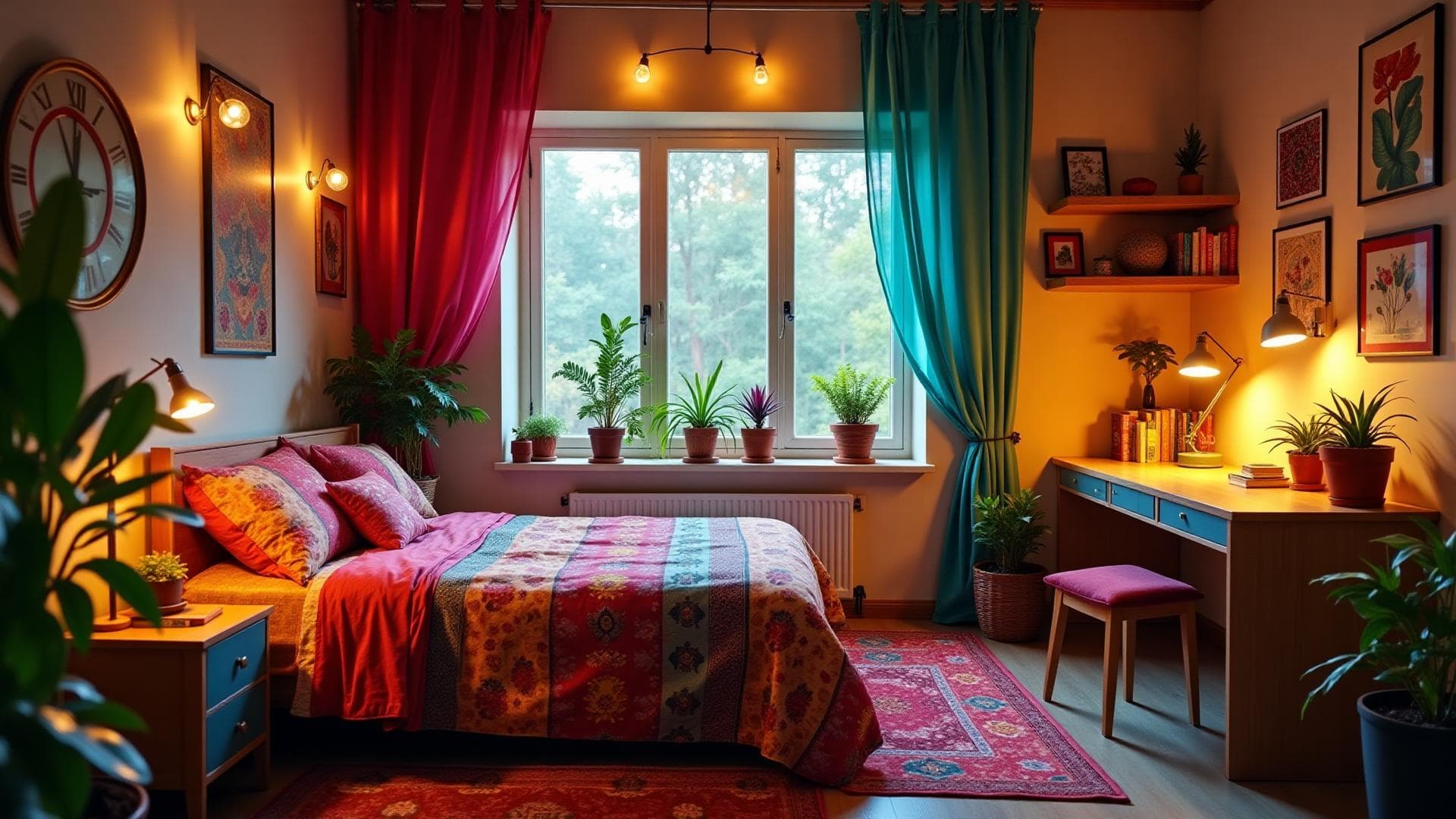
The future of interior design lies in the seamless integration of smart technology with beautiful aesthetics. Today's homeowners want homes that are not only stylish but also intelligent, efficient, and responsive to their needs. The challenge is incorporating advanced technology without sacrificing the beauty and warmth that make a house a home.
The Evolution of Smart Homes
From Gadgets to Invisible Integration
First Generation (2000s):
- Standalone devices with visible controls
- Complex installation and setup
- Limited compatibility between brands
- Technology-first, design-second approach
Current Generation (2020s):
- Seamless integration with existing design
- Voice and app control reducing visible interfaces
- Ecosystem compatibility across brands
- Design-first approach with hidden technology
Future Vision (2030s):
- Ambient computing with invisible interfaces
- AI-driven personalization that learns preferences
- Sustainable integration with energy management
- Health and wellness monitoring built into design
Core Smart Home Systems
1. Lighting Control Systems
Smart Lighting Benefits:
- Energy efficiency with LED and automatic dimming
- Mood setting with color temperature control
- Security enhancement with automated schedules
- Convenience with voice and remote control
Design Integration Strategies:
| Traditional Element | Smart Upgrade | Design Impact |
|---|---|---|
| Wall switches | Smart switches/dimmers | Minimal visual change |
| Pendant lights | Smart bulbs | Invisible technology |
| Accent lighting | LED strips | Enhanced ambiance |
| Table lamps | Smart plugs | Existing furniture works |
Lighting Zones for Different Rooms:
Living Room:
Zone 1: Ambient (ceiling fixtures)
Zone 2: Task (reading lights)
Zone 3: Accent (artwork/plant lighting)
Zone 4: Entertainment (TV backlighting)
Kitchen:
Zone 1: General (overhead lighting)
Zone 2: Task (under-cabinet)
Zone 3: Island (pendant lights)
Zone 4: Dining (chandelier/pendant)
2. Climate Control Integration
Smart HVAC Features:
- Zoned temperature control for different areas
- Learning thermostats that adapt to routines
- Air quality monitoring and automated purification
- Energy optimization based on occupancy
Design-Friendly Implementation:
- Hidden sensors in decorative elements
- Invisible vents integrated into architectural features
- Smart thermostats as design focal points
- Automated window treatments for temperature control
3. Audio-Visual Systems
Whole-Home Audio:
- In-ceiling speakers for invisible sound
- Architectural speakers that blend with decor
- Wireless streaming to eliminate cable clutter
- Room-specific controls for personalized experiences
Smart TV Integration:
- Wall-mounting with hidden cable management
- Projector systems with retractable screens
- Ambient lighting that responds to content
- Voice control for hands-free operation
4. Security and Access Control
Smart Security Elements:
- Video doorbells with sleek, modern designs
- Hidden cameras integrated into decor
- Smart locks that maintain door aesthetics
- Window sensors that are virtually invisible
Access Control:
- Keyless entry with multiple authentication methods
- Visitor management through app integration
- Temporary access codes for service providers
- Integration with lighting for security automation
Room-by-Room Smart Integration
Living Room: Entertainment Hub
Smart Features:
- Universal remote control through smartphone apps
- Automated lighting scenes for different activities
- Voice-controlled music and entertainment
- Smart furniture with built-in charging and controls
Design Considerations:
- Hide cables with cord management systems
- Blend speakers into architectural elements
- Use furniture to conceal technology components
- Maintain clean lines with wireless solutions
Kitchen: Command Center
Smart Appliances:
- Connected refrigerators with meal planning
- Smart ovens with recipe integration
- Automated coffee makers with scheduling
- Voice assistants for hands-free control
Technology Integration:
- Tablet mounting for recipe display and control
- Under-cabinet lighting with motion sensors
- Smart faucets with touchless operation
- Automated window treatments for natural light control
Bedroom: Personal Sanctuary
Sleep Optimization:
- Smart mattresses with sleep tracking
- Automated blackout shades for better sleep
- Wake-up lighting that simulates sunrise
- White noise systems integrated into decor
Comfort Features:
- Bedside wireless charging built into nightstands
- Voice-controlled lighting for nighttime convenience
- Climate control optimized for sleep cycles
- Morning routines that start before you wake
Bathroom: Wellness Space
Smart Fixtures:
- Heated floors with programmable schedules
- Smart mirrors with lighting and information display
- Automated toilets with personalized settings
- Voice-controlled shower systems
Health Monitoring:
- Smart scales that sync with health apps
- Air quality monitoring for humidity control
- Water usage tracking for conservation
- Lighting therapy for mood enhancement
Design Principles for Smart Home Integration
1. Invisible Technology
Hide the Tech:
- Recessed mounting for speakers and sensors
- Behind-wall routing for all cables
- Furniture integration for technology components
- Decorative concealment of necessary visible elements
Examples of Invisible Integration:
Traditional: Wall-mounted TV with visible cables
Smart: TV mounted with hidden cable management and integrated sound

Traditional: Multiple remote controls on coffee table
Smart: Single smartphone app controlling all devices

Traditional: Light switches on every wall
Smart: Voice control and automated lighting scenes
2. Aesthetic Harmony
Color Coordination:
- Device colors that match room palette
- Custom faceplates for switches and controls
- Coordinated finishes across all smart devices
- Neutral tones that blend with any decor
Material Integration:
- Wood-finished smart speakers for natural decor
- Metal accents that match existing hardware
- Glass panels for modern, minimalist looks
- Fabric coverings for traditional or cozy spaces
3. Functional Beauty
Multi-Purpose Elements:
- Decorative objects that house technology
- Furniture pieces with integrated smart features
- Art installations that include functional technology
- Architectural elements that serve dual purposes
Examples:
- Picture frames with digital displays
- Planters with integrated grow lights and sensors
- Mirrors with embedded information displays
- Coffee tables with wireless charging surfaces
Popular Smart Home Ecosystems
Amazon Alexa Integration
Strengths:
- Wide device compatibility
- Extensive smart home skills
- Multiple form factors for different rooms
- Strong voice recognition
Design Integration:
- Echo devices in various sizes and finishes
- Built-in Alexa in third-party devices
- Custom skills for personalized control
- Whole-home intercom functionality
Google Home Ecosystem
Strengths:
- Superior natural language processing
- Seamless integration with Google services
- Strong AI and learning capabilities
- Multi-user recognition
Design Options:
- Nest Hub displays for visual control
- Compact speakers for discrete placement
- Smart displays for information and entertainment
- Integration with existing Google services
Apple HomeKit
Strengths:
- Strong privacy and security focus
- Seamless iOS device integration
- High-quality partner devices
- Local processing capabilities
Design Philosophy:
- Premium materials and finishes
- Minimalist aesthetics matching Apple design
- Secure automation with end-to-end encryption
- Family sharing with individual preferences
Samsung SmartThings
Strengths:
- Extensive device compatibility
- Local processing capabilities
- Strong automation features
- Professional installation options
Integration Benefits:
- Samsung appliances with native integration
- Third-party compatibility across brands
- Custom automation for complex scenarios
- Professional setup services available
Budget Planning for Smart Home Integration
Starter Package (₹25,000-₹75,000)
Essential Devices:
- Smart lighting (₹10,000-₹20,000)
- Voice assistant (₹3,000-₹8,000)
- Smart thermostat (₹8,000-₹15,000)
- Basic security system (₹5,000-₹15,000)
DIY Installation:
- Most devices are plug-and-play
- Smartphone apps for setup
- Online tutorials and support
- Gradual expansion over time
Intermediate Setup (₹75,000-₹2,50,000)
Enhanced Features:
- Whole-home audio system
- Advanced lighting controls
- Smart appliances integration
- Professional installation
Professional Consultation:
- System design and planning
- Integration with existing infrastructure
- Custom automation programming
- Training and ongoing support
Premium Installation (₹2,50,000-₹10,00,000+)
Luxury Features:
- Custom control interfaces
- Integrated entertainment systems
- Advanced security and surveillance
- Energy management systems
Full-Service Implementation:
- Architectural integration planning
- Custom millwork for device concealment
- Professional programming and setup
- Ongoing maintenance and updates
Future-Proofing Your Smart Home
Infrastructure Considerations
Networking:
- High-speed internet (minimum 100 Mbps)
- Mesh WiFi systems for whole-home coverage
- Ethernet backbone for reliable connections
- Network security with regular updates
Power and Wiring:
- Adequate electrical capacity for new devices
- USB outlets throughout the home
- Neutral wires for smart switch installation
- Future expansion planning in electrical design
Technology Evolution
Emerging Trends:
- Artificial Intelligence integration
- Health monitoring built into home systems
- Sustainability features with energy optimization
- Augmented reality for home interaction
Standards and Compatibility:
- Matter protocol for universal device compatibility
- Thread networking for reliable mesh connections
- WiFi 6/6E for faster, more efficient connectivity
- 5G integration for enhanced mobile control
Privacy and Security Considerations
Data Protection
Key Concerns:
- Voice recordings and privacy settings
- Video surveillance data storage
- Personal behavior tracking and analytics
- Third-party data sharing and access
Best Practices:
- Regular password updates for all devices
- Two-factor authentication where available
- Network segmentation for smart devices
- Privacy setting reviews on regular basis
Physical Security
Device Security:
- Secure mounting to prevent theft
- Hidden installation to avoid tampering
- Backup power systems for critical devices
- Regular firmware updates for security patches
Maintenance and Support
Regular Maintenance Tasks
Monthly:
- Software updates for all devices
- Battery replacement in wireless sensors
- Network performance monitoring
- Automation testing to ensure proper function
Quarterly:
- Deep cleaning of devices and sensors
- Security audit of network and devices
- Automation optimization based on usage patterns
- Backup creation of settings and configurations
Annually:
- Professional system checkup
- Technology upgrade evaluation
- Energy usage analysis and optimization
- Insurance and warranty review
Professional Support Options
Installation Services:
- Initial consultation and design
- Professional installation and setup
- System integration and testing
- User training and documentation
Ongoing Support:
- Remote monitoring and diagnostics
- Regular maintenance visits
- Emergency support for critical issues
- Technology updates and upgrades
Room Ki Photo Integration
Smart Home Visualization
Design Planning:
- 3D modeling with smart device placement
- Cable routing visualization
- Lighting simulation with smart controls
- Furniture arrangement optimized for technology
Implementation Support:
- Device placement optimization
- Aesthetic integration planning
- Color coordination with existing decor
- Before and after comparisons
Documentation and Training
Visual Guides:
- Device location mapping
- Control interface tutorials
- Troubleshooting visual guides
- Maintenance schedule with photos
Progress Tracking:
- Installation progress documentation
- System testing results
- User satisfaction tracking
- Future upgrade planning
Conclusion
Smart home automation represents the future of interior design, where technology enhances our living spaces without compromising their beauty or functionality. The key to successful integration is planning ahead, choosing quality devices, and prioritizing aesthetics alongside functionality.
Start with a clear vision of how technology can improve your daily life, then work with professionals who understand both technology and design. Remember that the best smart home is one where the technology feels invisible and intuitive, enhancing your lifestyle rather than complicating it.
As technology continues to evolve, the homes that will stand the test of time are those that balance cutting-edge functionality with timeless design principles. Invest in infrastructure, plan for future expansion, and always prioritize the human experience over the technology itself.
"The best technology is the technology you don't notice—it just makes your life better." — Room Ki Photo Smart Home Design Team
Ready to integrate smart technology into your home design? Use Room Ki Photo to visualize how different smart devices will look in your space and plan the perfect balance of technology and aesthetics.
About the Author
Smart home consultant and interior designer specializing in seamless technology integration. 6 years of experience in creating intelligent, beautiful spaces.