Transform Your Balcony into a Beautiful Garden Oasis
Discover how to create a stunning balcony garden in Indian homes. Learn about plant selection, space optimization, and design ideas that work in our climate.
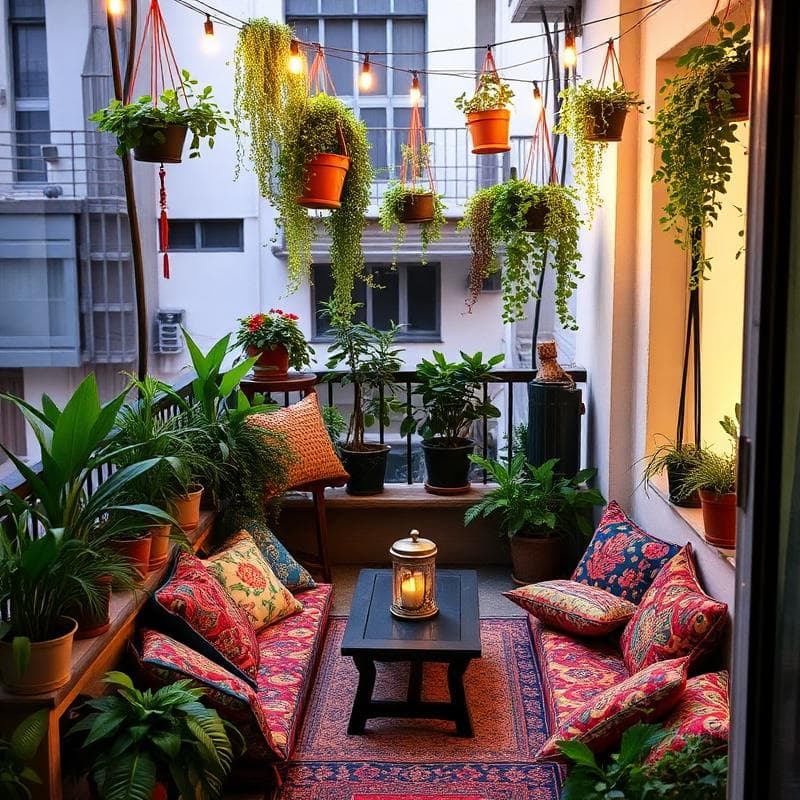
In Indian cities where outdoor space is precious, balconies offer the perfect opportunity to create your own green sanctuary. Whether you have a small 4x6 feet balcony or a spacious terrace, you can transform it into a lush garden that enhances your home's beauty and your quality of life.
Benefits of a Balcony Garden
Health and Wellness
- Improved air quality from oxygen-producing plants
- Stress reduction through nature connection
- Physical activity from gardening
- Fresh herbs and vegetables for cooking
- Better mental health from green spaces
Home Value and Aesthetics
- Increased property value with attractive outdoor space
- Enhanced curb appeal visible from street
- Natural privacy screening from neighbors
- Temperature regulation through plant cooling
- Instagram-worthy photo opportunities
Assessing Your Balcony Space
Understanding Your Environment
Sun Exposure Assessment:
- Full Sun: 6+ hours direct sunlight
- Partial Sun: 3-6 hours direct sunlight
- Partial Shade: 3-6 hours indirect light
- Full Shade: Less than 3 hours direct light
Wind and Weather Considerations:
- Wind direction and intensity
- Rain exposure and drainage needs
- Temperature extremes throughout year
- Monsoon protection requirements
Space Planning
Balcony Zones:
| Zone | Purpose | Plant Types | Furniture |
|---|---|---|---|
| Corner | Statement plants | Large planters | Seating area |
| Railing | Trailing plants | Hanging baskets | None |
| Floor | Walking path | Ground planters | Small stools |
| Vertical | Climbing plants | Wall planters | Storage |
Measuring Your Space:
Standard Balcony Sizes in India:
• 4x6 feet (24 sq ft) - Compact apartment
• 6x8 feet (48 sq ft) - Medium apartment
• 8x10 feet (80 sq ft) - Larger apartment
• 10x12 feet (120 sq ft) - Premium apartment
Plant Selection for Indian Climate
Low-Maintenance Options
Beginner-Friendly Plants:
-
Succulents
- Jade plant, Aloe vera, Snake plant
- Drought tolerant, minimal care
- Perfect for busy lifestyles
-
Herbs
- Mint, basil, coriander, curry leaves
- Useful for cooking
- Fast-growing and rewarding
-
Flowering Plants
- Marigold, zinnia, portulaca
- Colorful blooms
- Heat and humidity tolerant
Climate-Specific Recommendations
Hot and Dry Regions (Delhi, Rajasthan):
- Cacti and succulents for water conservation
- Bougainvillea for vibrant colors
- Desert rose for exotic blooms
- Portulaca for ground cover
Humid Coastal Areas (Mumbai, Chennai):
- Ferns for lush greenery
- Crotons for colorful foliage
- Ixora for bright flowers
- Money plant for easy growth
Moderate Climate (Bangalore, Pune):
- Roses for classic beauty
- Geraniums for continuous blooms
- Petunias for cascading flowers
- Lavender for fragrance
Seasonal Planting Guide
Winter Planting (October-February):
- Vegetables: Tomatoes, peppers, lettuce
- Flowers: Pansies, petunias, snapdragons
- Herbs: Parsley, sage, rosemary
Summer Planting (March-June):
- Heat-tolerant flowers: Marigolds, zinnias
- Vegetables: Okra, bottle gourd, chili
- Foliage plants: Coleus, caladium
Monsoon Preparation (June-September):
- Drainage-loving plants: Bamboo, ferns
- Rain-resistant flowers: Vinca, impatiens
- Herbs: Mint, lemongrass
Container and Planter Selection
Types of Planters
Material Comparison:
| Material | Pros | Cons | Best For |
|---|---|---|---|
| Terracotta | Breathable, natural | Heavy, breaks easily | Traditional look |
| Plastic | Lightweight, cheap | Not eco-friendly | Temporary setups |
| Ceramic | Beautiful, durable | Expensive, heavy | Statement pieces |
| Metal | Modern, durable | Heat conduction | Contemporary style |
| Fiber | Lightweight, durable | Limited styles | Large plants |
Size Guidelines
Plant-to-Pot Sizing:
- Small herbs: 6-8 inch pots
- Medium plants: 10-12 inch pots
- Large shrubs: 14-18 inch pots
- Trees: 20+ inch containers
Drainage Requirements:
- Drainage holes are essential
- Gravel layer at bottom
- Saucer to protect flooring
- Elevation for air circulation
Design Styles and Themes
Traditional Indian Garden
Elements:
- Terracotta pots and traditional containers
- Marigolds and jasmine for religious significance
- Herbs like tulsi, mint, curry leaves
- Natural materials like bamboo and jute
Color Scheme:
- Warm earth tones - terracotta, ochre
- Vibrant flower colors - orange, yellow, red
- Green foliage as backdrop
Modern Minimalist
Elements:
- Clean lines and geometric planters
- Limited color palette - white, gray, green
- Architectural plants like snake plant, ZZ plant
- Metal or concrete containers
Design Principles:
- Less is more approach
- Symmetrical arrangements
- Negative space for visual rest
- Quality over quantity
Tropical Paradise
Elements:
- Large-leafed plants - monstera, banana plants
- Bright flowers - hibiscus, bird of paradise
- Natural textures - rattan, bamboo
- Water features for humidity
Creating Tropical Feel:
- Layer different heights of plants
- Mix textures smooth and rough
- Add tropical scents - jasmine, frangipani
- Use warm lighting for evening ambiance
Vertical Gardening Solutions
Wall-Mounted Systems
DIY Options:
- Pallet gardens with landscape fabric
- Shoe organizers for herbs
- PVC pipe systems for strawberries
- Bamboo structures for climbing plants
Commercial Systems:
- Modular wall planters
- Hydroponic towers
- Mesh panel systems
- Living wall kits
Hanging Gardens
Hanging Solutions:
- Macrame planters for boho style
- Chain planters for industrial look
- Ceiling hooks with rope systems
- Bracket-mounted planters
Weight Considerations:
- Check ceiling load capacity
- Use lightweight containers
- Distribute weight evenly
- Secure mounting hardware
Irrigation and Maintenance
Watering Systems
Manual Watering:
- Watering can with long spout
- Hose attachment for convenience
- Spray bottles for delicate plants
- Soaker hoses for even distribution
Automated Solutions:
- Drip irrigation systems
- Timer-controlled sprinklers
- Self-watering planters
- Micro-sprinkler setups
Maintenance Schedule
Daily Tasks (5 minutes):
- Check soil moisture
- Deadhead spent flowers
- Look for pest issues
- Adjust plant positions
Weekly Tasks (30 minutes):
- Deep watering session
- Fertilize growing plants
- Prune and trim
- Clean leaves and pots
Monthly Tasks (2 hours):
- Repot overgrown plants
- Replace seasonal flowers
- Deep clean all containers
- Plan next season's garden
Budget-Friendly Garden Ideas
Under ₹5,000 Setup
Essential Items:
- 10-15 small to medium pots (₹2,000)
- Basic potting soil and fertilizer (₹1,000)
- Easy-care plants and seeds (₹1,500)
- Basic watering tools (₹500)
DIY Cost-Saving Tips:
- Recycled containers from kitchen items
- Homemade compost from kitchen scraps
- Propagate plants from cuttings
- Collect rainwater for irrigation
₹5,000-₹15,000 Medium Setup
Enhanced Features:
- Variety of planter sizes and materials
- Automatic watering system
- Quality garden tools
- Decorative elements and lighting
₹15,000+ Premium Setup
Luxury Features:
- Custom-designed planters
- Rare and exotic plants
- Smart irrigation systems
- Professional landscape consultation
Seasonal Care and Adaptation
Summer Care (March-June)
Hot Weather Strategies:
- Shade cloth for intense sun protection
- Mulching to retain soil moisture
- Frequent watering during cooler hours
- Heat-tolerant plant selection
Plant Protection:
- Move sensitive plants to shadier spots
- Increase humidity with water trays
- Use reflective surfaces to reduce heat
- Install misting systems if needed
Monsoon Management (June-September)
Drainage Solutions:
- Drill extra holes in containers
- Elevate pots on bricks or stands
- Cover delicate plants from heavy rain
- Remove saucers to prevent waterlogging
Plant Care:
- Reduce watering frequency
- Watch for fungal diseases
- Provide support for tall plants
- Harvest rainwater for dry season
Winter Protection (December-February)
Cold Weather Care:
- Move tropical plants indoors if needed
- Wrap containers to prevent root freezing
- Reduce watering frequency
- Protect from cold winds
Seasonal Planting:
- Plant cool-season vegetables
- Start flower seedlings indoors
- Prune dormant plants
- Plan next year's garden
Common Problems and Solutions
Pest Management
Common Balcony Pests:
| Pest | Signs | Natural Solution |
|---|---|---|
| Aphids | Sticky leaves, stunted growth | Neem oil spray |
| Spider mites | Fine webbing, yellow spots | Increase humidity |
| Whiteflies | Flying white insects | Yellow sticky traps |
| Scale insects | Brown bumps on stems | Rubbing alcohol |
Prevention Strategies:
- Inspect plants regularly
- Quarantine new plants before introducing
- Encourage beneficial insects with diverse plants
- Maintain plant health through proper care
Common Plant Problems
Yellowing Leaves:
- Overwatering or underwatering
- Nutrient deficiency
- Natural aging process
- Poor drainage
Stunted Growth:
- Inadequate light
- Poor soil quality
- Root bound plants
- Nutrient deficiency
Flowering Issues:
- Insufficient sunlight
- Too much nitrogen fertilizer
- Stress from transplanting
- Improper pruning
Sustainable Gardening Practices
Organic Gardening
Natural Fertilizers:
- Compost from kitchen scraps
- Vermicompost from worm bins
- Liquid fertilizer from banana peels
- Fish emulsion for nitrogen
Pest Control:
- Companion planting for natural pest deterrence
- Beneficial insects like ladybugs
- Organic sprays from garlic, soap
- Physical barriers like row covers
Water Conservation
Efficient Watering:
- Drip irrigation for targeted watering
- Mulching to reduce evaporation
- Rainwater harvesting in containers
- Greywater reuse from kitchen
Drought-Tolerant Plants:
- Native species adapted to local climate
- Succulents and cacti for dry areas
- Deep-rooted plants for water efficiency
- Plants with waxy or small leaves
Room Ki Photo Integration
Garden Planning and Design
Visualization Tools:
- 3D modeling of balcony layout
- Plant placement simulation
- Seasonal changes preview
- Growth projection over time
Design Process:
- Photograph current balcony space
- Upload to Room Ki Photo for analysis
- Experiment with layouts and plant combinations
- Visualize different seasons and growth stages
- Share plans with gardening communities
Progress Documentation
Garden Journey:
- Before photos of empty balcony
- Planting progress documentation
- Seasonal changes time-lapse
- Harvest celebrations and flower blooms
- Problem-solving visual guides
Maintenance Tracking
Visual Reminders:
- Plant care schedules with photos
- Growth milestones documentation
- Seasonal task reminders
- Problem identification through photo comparison
Creating Year-Round Interest
Succession Planting
Continuous Blooms:
- Stagger plantings every 2-3 weeks
- Choose varieties with different bloom times
- Mix annuals and perennials for consistency
- Plan seasonal transitions ahead of time
Foliage Interest
Beyond Flowers:
- Colorful foliage plants like coleus
- Textural variety with different leaf shapes
- Evergreen plants for winter interest
- Architectural plants for structure
Seasonal Decorations
Holiday Adaptations:
- Festival flowers like marigolds for Diwali
- Seasonal containers in festive colors
- Lighting for evening celebrations
- Temporary decorations that complement plants
Advanced Techniques
Hydroponics for Beginners
Simple Hydroponic Systems:
- Deep water culture for leafy greens
- Kratky method for passive growing
- Nutrient film technique for herbs
- Ebb and flow systems for variety
Benefits:
- Faster growth rates
- Higher yields in small spaces
- Reduced pest problems
- Year-round growing capability
Companion Planting
Beneficial Combinations:
- Tomatoes and basil for flavor enhancement
- Marigolds and vegetables for pest control
- Mint and roses for aphid deterrence
- Lavender and herbs for fragrance
Community and Learning
Joining Garden Communities
Online Platforms:
- Social media gardening groups
- Local balcony garden communities
- Plant exchange networks
- Expert advice forums
Local Connections:
- Neighborhood garden clubs
- Plant nursery workshops
- Gardening exhibitions and shows
- Community garden projects
Continuing Education
Learning Resources:
- Gardening apps for plant identification
- Online courses for specific techniques
- Local agricultural extension services
- Gardening magazines and books
Conclusion
Creating a beautiful balcony garden is one of the most rewarding ways to enhance your living space and connect with nature. Whether you're growing herbs for your kitchen, flowers for beauty, or vegetables for sustainability, the key is to start small and gradually build your garden as you gain experience and confidence.
Remember that every balcony is unique, and what works for others may need adaptation for your specific conditions. Experiment, observe, and enjoy the process of nurturing your green space.
The most important thing is to begin. Choose a few easy plants, provide them with proper care, and watch as your balcony transforms into a personal oasis that brings joy and tranquility to your daily life.
"In every gardener there is a child who believes in the seed fairy." — Robert Brault
Ready to design your dream balcony garden? Use Room Ki Photo to visualize different layouts, plan plant placements, and see how your garden will look through the seasons before you start planting.
About the Author
Landscape designer specializing in small space gardens and urban balcony transformations. Expert in Indian climate plants and sustainable gardening.